
The Gallatin County Owner of Record Card
The Gallatin PVA keeps the annual real-property assessment. It links that data to a qPublic parcel search. The result is best treated as an extraction checklist rather than a fixed form. Field labels and displayed items can differ from parcel to parcel. Copy each item only when the returned card actually shows it.
| Owner name | The current tax-roll label, including co-owner or entity wording |
|---|---|
| Mailing address | The destination for assessment and tax correspondence |
| Situs address | The physical location used to identify the parcel |
| Parcel or PIDN | The cross-reference among roll, GIS, and deed |
| Sale or deed clue | A lead to test against the newest recorded instrument, if shown |
The owner name is the starting answer. The PIDN and legal description are what prevent a same-name mistake. Mailing and situs addresses answer two different questions about the parcel. A deed clue supplies the bridge to the County Clerk's deed records. Note the assessment year beside every card. That date matters most. A fresh filing and the annual tax roll may not have agreed on a name yet.
Check the Current Owner Through Gallatin PVA
Open the Gallatin qPublic search through the official PVA route. Start with a complete street address. Nothing comes back? Simplify the street suffix. Then try the PIDN or the exact owner spelling. The PVA site accepts an address, an owner name, or a parcel number as the way in. The available filters and tabs can vary with the search type. Copy the owner label and PIDN before chasing any other lead. Gallatin parcel numbers such as 13A-HS-01 and 29-WP-36 show why every hyphen matters.
When a property search returns several parcels, compare the situs address, the legal-description text, and the full PIDN. Do this before picking one. Owner spelling alone is a weak match. Relatives, entities, or repeated surnames can be in play. A parcel-specific match beats taking the first name result as the answer. The assessor's data rewards patience here.
Note: Preserve letters, zeroes, and hyphens exactly. Local PIDN formats vary with map and subdivision context.
Owner Mailing and Gallatin Situs Are Different
A Gallatin County situs address locates the real estate itself. A mailing address tells the office where to send a notice. An absentee owner, an LLC, a trust, a farm operator, or a care-of recipient may list a mailing point far from the parcel.
- Owner of record
- The person or entity named in the public record used for the check.
- Assessment roll
- The PVA's annual parcel and assessment record.
- Situs
- The physical location of the land.
- Recording lag
- The interval before a transfer appears in another office's updated record.
Neither address proves where a person actually lives. Use both to reconcile the parcel, never to infer occupancy.
How Current Is Gallatin County's Owner Record?
Kentucky fixes ownership for tax purposes on January 1 of each year. That cutoff matters. The Gallatin PVA notes that a property sold later in the year can still show the prior owner of record on the current tax bill, and the name changes with the next calendar year's tax roll. The office tries to forward a copy to the buyer using deed records, though a bill lost in the mail does not cancel what is owed. Owners who miss the cutoff should watch the tax roll closely the following spring.
Recent sale. The roll can lag a closing. When timing matters, the newest recorded deed is the more current evidence of the grantee.
Compare the assessment year with the deed recording date. A roll still naming the seller can be internally correct even after the clerk has recorded the buyer's deed.
Confirm the Current Gallatin County Owner
A present-tense check stops once the current roll and latest deed agree. It does not rebuild the parcel's full ownership history.
- Pull the PVA parcel by address and record the owner, PIDN, situs, mailing address, and assessment year actually shown.
- Note any sale, deed reference, or legal description without treating an expected field as confirmed.
- Use the Gallatin County Clerk records route to find the newest deed and compare the grantee, date, and description.
- Explain a mismatch through the January 1 rule, entity wording, parcel change, or later instrument. Contact the clerk if an image is unavailable.
The County Clerk states that eCCLIX documents run online from 1980 to current. For an image that is unavailable or a record older than that span, call 859-567-5411 or visit the Gallatin County Clerk at 803 East Main Street in Warsaw during the published weekday hours. Requests may arrive by hand, mail, fax, or email. The office follows a five-working-day decision rule on open-records requests.
Ask for the latest deed affecting the exact PIDN or legal description, not merely everything filed under a surname. Compare the grantee name and capacity, the recording date, the parcel description, and any prior-instrument reference. If the newest item turns out to be a commissioner deed, sheriff deed, affidavit of descent, or declaration of trust, keep the instrument type noted. That label often explains why the present owner of record holds title the way they do.
Verify Gallatin Entity, Trustee, and Estate Names
Copy an LLC or corporate owner exactly as the roll shows it. The Kentucky FastTrack entity search can reveal organization status, current officers, and registered-agent context. It also shows filed documents. Those people are not automatically the current property owner. Title may vest solely in the entity, with no individual holding a recorded interest.
Trusts and estates can demand different deed records. The county clerk records declarations of trust, wills, and affidavits of descent. Commissioner deeds and sheriff deeds are recorded there too. The state officer search does not reach trustees or every partnership role. Never swap a person's name for the recorded owner without deed evidence.
Capacity words carry weight. A name tagged trustee, executor, commissioner, or member may explain why that person signed or received notice. That does not settle who holds title individually. Keep the full roll label. Then read the vesting language in the latest deed. Only then name the current owner of record.
Gallatin Homestead Flags Do Not Prove Occupancy
A homestead exemption shows up in Gallatin County property records when a qualifying taxpayer owns the home as a primary residence. The taxpayer must also maintain it on January 1. The local PVA publishes that flag with the assessment. It adds useful context to a parcel file. Still, it proves nothing about who actually lives there on any given day.
Keep owner research anchored to what the record itself says. The owner label, mailing address, situs, and parcel number all come straight from the tax roll. The assessment year and newest deed come from deed records. Those items are reliable. An exemption or a mailing destination is not. So resist the urge to stretch either into a claim about physical presence.
Note: Capacity labels such as trustee, executor, or commissioner can explain an unfamiliar name on a Gallatin record.
Gallatin DOC ALERT Watches a Confirmed Name
The Clerk offers a free DOC ALERT enrollment that notifies you by email whenever a deed or mortgage is filed under a name you choose. Enrollment takes just a name and email address. Spell the name carefully. Match entity punctuation too, so the alert term lines up with the record. The enrollment screen on the official Clerk route displays the sign-up form itself. It cannot identify the current owner of a parcel.
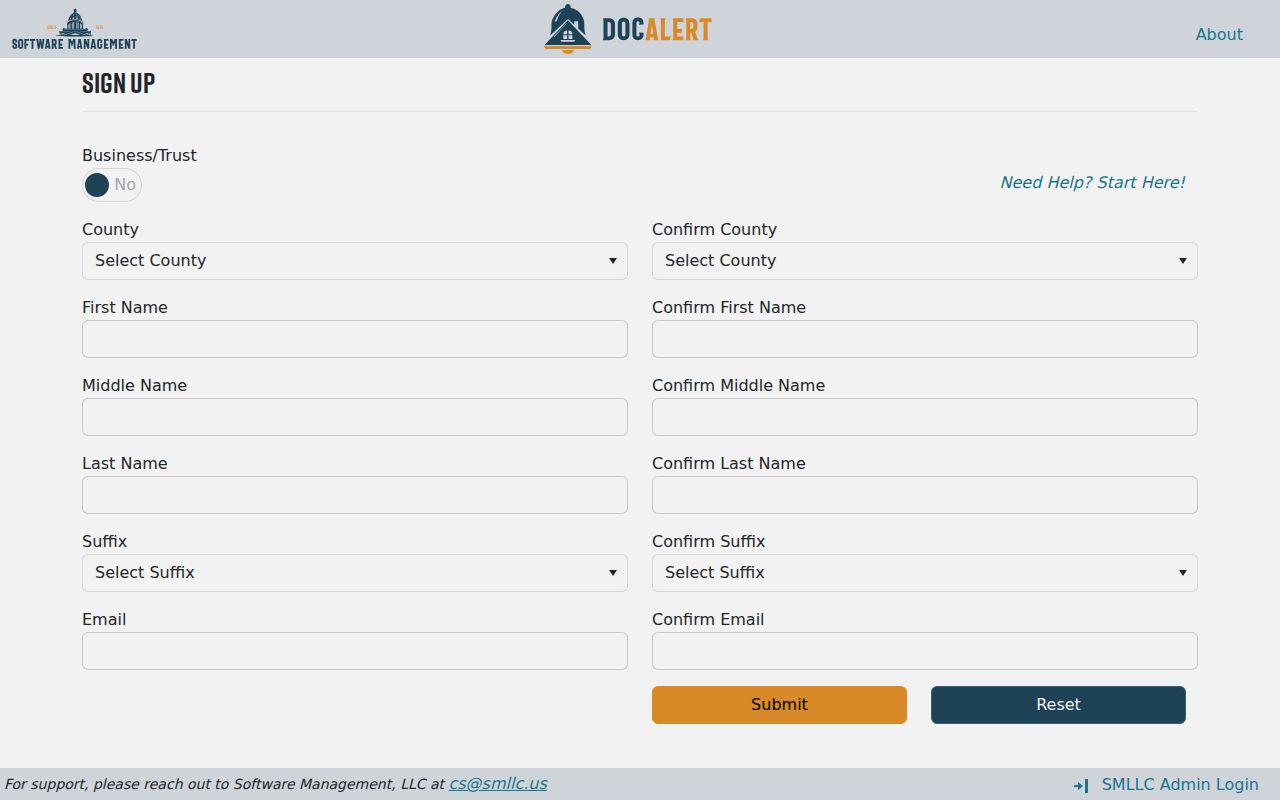
An alert is not a title guarantee, and it does not mean the county monitors your deed for validity. If a filing looks suspicious, inspect it. Then contact the Clerk or a qualified professional as needed.
Current Gallatin Owner Records Have Clear Limits
An owner of record label has real limits. It cannot surface every lien, easement, or retained interest. It also misses pending cases, probate issues, and unrecorded claims attached to a parcel. Treat the GIS map as a reference tool too, not a boundary survey. For a fuller walkthrough of the address-to-owner method, see the Gallatin property owner guide.
Lawful use. Use public owner data for legitimate property diligence. Never use a mailing address or owner name to harass, intimidate, or harm anyone.
A current owner check answers one question: who does the available tax roll and latest deed name. It stops there. The result is not a title opinion. Save copies and dates, inspect related instruments, and seek qualified Kentucky help whenever legal rights turn on the answer.
Sparta deserves a separate word. The incorporated city sits in both Gallatin and Owen Counties, so a 41086 mailing label tells you nothing about which office keeps the records. Confirm the parcel sits on the Gallatin side first. Only then should you rely on the Gallatin PVA or Clerk for a current owner conclusion. If the parcel falls on the Owen side, run the same check with that county's custodian instead. Never blend records just because two parcels share a Sparta address.