
Begin a Gallatin County Land Records Search
One good key unlocks most Gallatin County land records. The PVA's qPublic link is the practical first stop for an address, an owner name, or a current parcel identifier. Its result then bridges to the County Clerk's deed index, the sheriff's tax bill system, and the county GIS map. These sources overlap. They are not substitutes for one another. The PVA assesses, the clerk records instruments, the sheriff collects property tax, and GIS maps the parcel, so each desk holds a different piece of the property records.
Keep a simple worksheet. Record the address exactly as entered, the parcel or PIDN as displayed, the owner spelling, legal-description clues, the tax year, and each source's date. Small habits prevent big confusion. A current assessment is not an older deed. Nor should a postal label ever stand in for a legal boundary when you search Gallatin County property records.
- Search qPublic by address and record the parcel identifier and owner-of-record clue.
- Use the owner and deed reference to inspect the County Clerk's eCCLIX index.
- Open the sheriff-linked tax lookup for the bill, payment status, and correct tax year.
- Locate the same identifier in the Gallatin County GIS Map and compare its setting.
- Ask the custodian for an image, certified copy, older volume, or file that is not online.
The Desks Behind Gallatin Land Records
Three local offices handle most Gallatin County property questions. The GIS viewer supplies the geographic link. The clerk's deed records show recorded transfers and encumbrances. The PVA maintains the annual parcel appraisal, while the sheriff collects current property tax and the clerk later administers delinquent accounts. Each desk answers one part of a parcel's story. Calling the right office with a parcel number, owner name, and tax year beats asking one desk for everything in the property records.
Gallatin County PVA
County assessment office
Warsaw, KY
See official contact page
Search Gallatin Property Records Three Ways
A Gallatin County property search can start three ways. An address is familiar, an owner name can group several parcels, and a parcel identifier is usually the best cross-office key. The official PVA site links to qPublic. Trust only what the search screen displays. Rural road wording, initials, punctuation, trust names, and company names can affect a match, so try restrained variations and keep the original result beside them. A parcel number travels best between offices.
| Starting clue | Best first source | Main caution |
|---|---|---|
| Street address | PVA qPublic | Situs wording may differ from a deed description |
| Owner or entity | PVA, then eCCLIX | Names change and may cover more than one parcel |
| Parcel or PIDN | PVA and GIS | Keep letters, zeroes, suffixes, and hyphens |
| Book, page, or document | County Clerk | It identifies an instrument, not every related interest |
Method beats luck in a property search. The Gallatin County property search guide covers how to move from one key to the next without losing the source trail.
Gallatin County Land Records Before 1980
Gallatin County Clerk's online documents run from 1980 forward. That is an access boundary only. It is not the creation date of the county's land records. For a modern instrument, use the official records page and its eCCLIX route. For an earlier deed, call or visit the clerk. Bring the parties, an approximate year, the legal description, and any book or page reference already found.
Older work may lead to the Kentucky Department for Libraries and Archives. KDLA keeps deed microfilm in Frankfort. Its holdings are organized by county and year. The KDLA deed guide recommends tracing backward from a modern instrument, and references become especially useful from about 1890. Earlier still, tax records may tie an owner to the next deed-book search. Gallatin County was formed in 1798. That makes 1799 a sensible earliest-series question for KDLA coverage, not a promise that every deed volume survives.
| Grantor and grantee | The grantor transfers an interest; the grantee receives it. |
|---|---|
| Instrument locator | A book and page or document number points to a recorded item. |
| Chain of title | The linked sequence of recorded transfers through time. |
Gallatin County Records by Source
No single row holds a complete Gallatin County file. Property records here include recorded instruments, annual assessments, and tax accounts. They also include parcel geography, court matters, and planning material. Match the record to the fact. A deed identifies a transfer and its legal description. It does not prove the current tax balance. A GIS map shows context, yet it settles no disputed line.
| Source record | Question it helps answer | Official custodian | Access route |
|---|---|---|---|
| Deed, mortgage, lien, release | What instrument was recorded? | County Clerk | eCCLIX from 1980; office for earlier records |
| Parcel assessment | What is the annual fair-cash assessment? | PVA | qPublic link, forms, phone, or office |
| Tax bill and delinquency | Was a bill paid or transferred for collection? | Sheriff and County Clerk | Tax lookup, clerk page, notices, or office |
| Parcel map and plat | How is the tract represented and subdivided? | GIS and County Clerk | GIS viewer, recorded plat, or records request |
| Foreclosure or quiet title file | What did a court case allege or decide? | Circuit Court Clerk | CourtNet lead, then clerk or archive file |
| Planning and permit file | What land-use action was reviewed? | Joint Planning Commission | County forms, meetings, or open-record request |
January 1 May Preserve an Earlier Owner
Timing matters after a sale. The PVA explains that Kentucky real property is assessed annually. January 1 is the ownership and assessment date. Close later in the year. That year's tax bill may still carry the former owner's name. Gallatin officials try to mail the bill to the buyer using recorded-deed information. Even so, the displayed name may lag until the next calendar year.
That lag calls for comparison, not alarm. Compare the assessment year. Compare the newest recorded deed and the sheriff's bill before declaring a conflict. One name alone proves little. The PVA also physically examines real property at least once every four years. An assessed figure can change with reviewed land or improvement characteristics. No sale needs to appear in the deed index.
Note: Match every owner or value statement to its source and tax year before drawing a present-day conclusion.
PIDN Clues in Gallatin Parcel Records
Public notices from around Gallatin County show why a parcel number must be copied exactly. One Warsaw Harwill tract appears as 13A-HS-01. Willow Pointe lots in Glencoe show up as 29-WP-36 and 29-WP-83. A Sparta-area parcel appears as 024-037. These formats cannot be swapped. The letters, leading zeroes, and hyphens distinguish a map area, a subdivision phase, or a single tract within Gallatin County parcel records.
Pair any current PVA identifier with the legal description. Also check the plat reference in the deed itself. Parcels get divided, combined, or renumbered. When that happens, search both the old and the new number. A search that returns nothing under one form does not mean the deed vanished. The record may sit under a party name. A book and page, an earlier parcel number, or the subdivision's formal name may also hold it in the Gallatin County property records.
Map Gallatin County Records with Care
The Gallatin County GIS Map is the visual bridge. It connects a parcel identifier to its surroundings. Open the public viewer to see the map layers and tools it offers. Layer names and special features change over time, so explore the live controls yourself. Note the date you used if you plan to cite the map later.
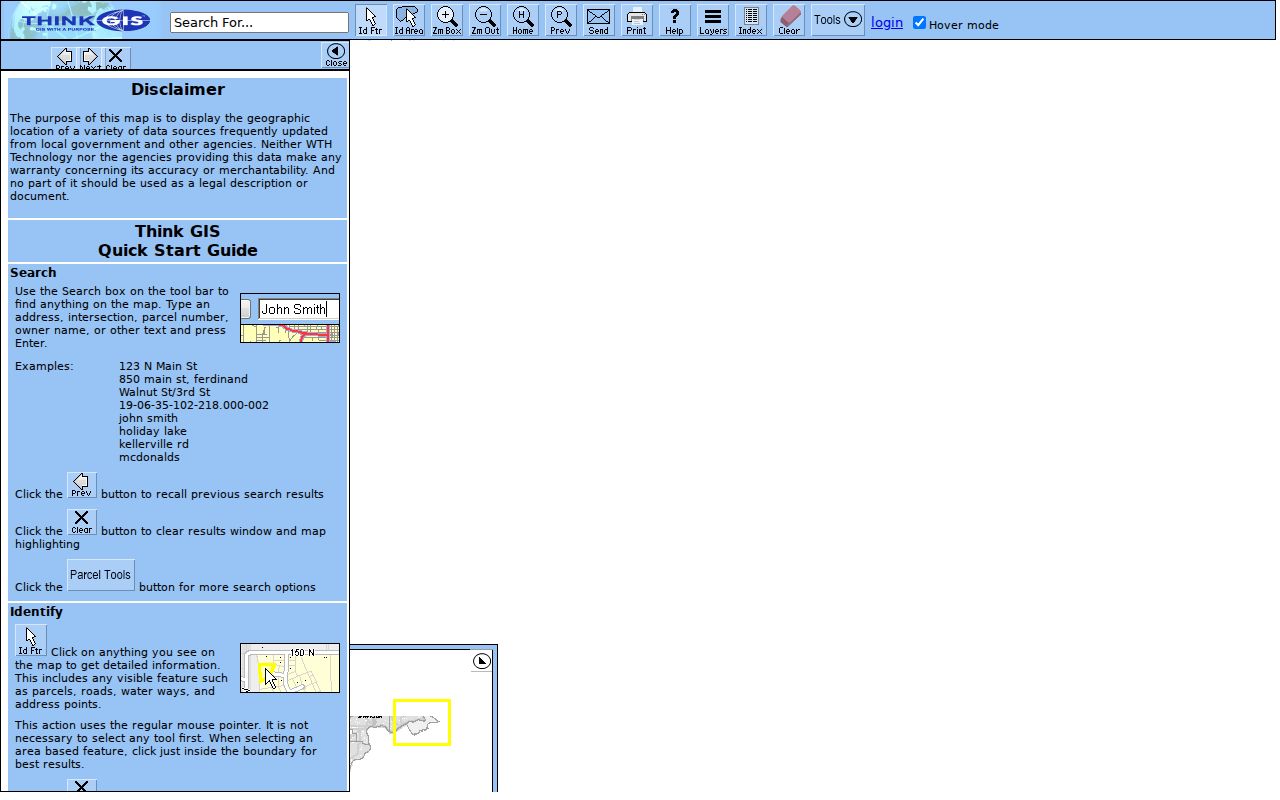
Use the polygon to find roads, touching tracts, and subdivision context. Then return to the PVA and the recorded plat for attributes and legal references. GIS lines are approximate tax and planning geography, nothing more. They do not locate survey monuments. They do not decide an easement or settle a boundary dispute in Gallatin County.
Plats Clarify Gallatin County Land Records
A recorded plat can preserve lot numbers, streets, phases, easement corridors, and restriction references that the web map never displays. The local examples differ sharply. Harwill sits at Plat Book 1 page 18. Willow Pointe Phase One points to Plat Cabinet A-93. Phase Three points to Plat Slide B-39. The Sparta-area public notice cites Plat A52. Keep "book," "cabinet," and "slide" straight as distinct locator types when you request a plat from the County Clerk.
City and ZIP labels can mislead here too. Sparta is incorporated in both Gallatin and Owen Counties, so a Sparta mailing address does not tell you which clerk or PVA holds the land record. Confirm the county in the deed, the tax record, and the boundary source before tying a postal address to a Gallatin parcel. Warsaw and Glencoe planning matters run through the Joint Planning Commission. The county page says Sparta has no zoning ordinances.
Watch Gallatin Deeds with DOC ALERT
The County Clerk offers a free notification path for deed and mortgage filings. The service is separate from the deed-index search. Open the official Gallatin DOC ALERT enrollment page and register a name and email address to get started.
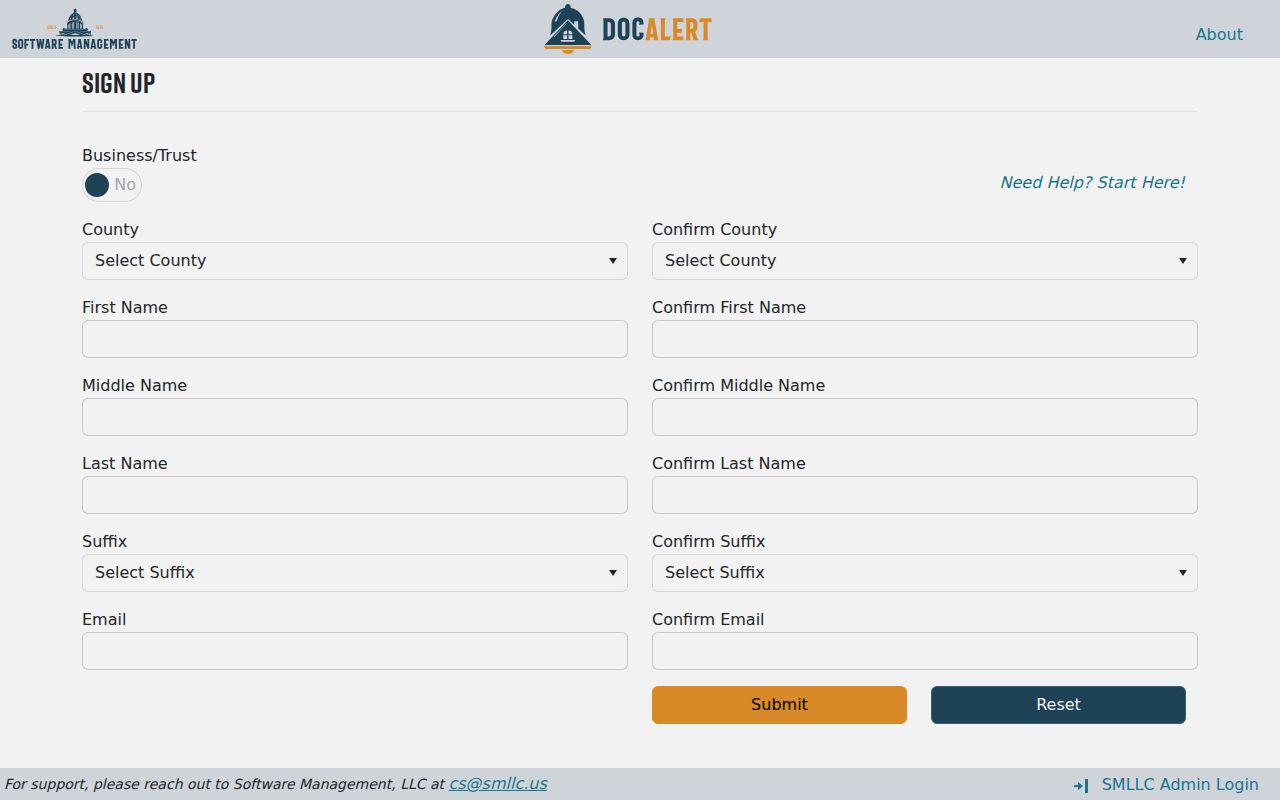
An alert is a prompt, not a verdict. It does not mean a filing is valid or fraudulent. When an unexpected notice arrives, preserve it. Pull the image and recording details from the clerk. Then verify the parties, notary, lender, and prior deed with qualified help as needed. Enrollment does not replace periodic review of the land index or a professional title examination of Gallatin County deed records.
Gallatin Tax Status Beyond the Assessment
The PVA's value is not a payment receipt. The Gallatin County Sheriff collects real-property taxes and links the county tax-bill lookup. The County Clerk handles delinquent-tax administration and certificate-sale material. For any payment question, keep the tax year, parcel identifier, bill number if shown, amount, status, and receipt together. Never infer payment from an assessment screen.
Recent records show the public trail in practice. The clerk announced the sale of 2024 delinquent bills for July 17, 2025, and a June 2025 Gallatin County News notice published delinquent certificates. Those dated examples show where a distressed-property trail may surface. They are not a current sale calendar. Check the clerk's live delinquent-tax page and the sheriff's office for the year you are researching before relying on any tax bill.
Public Notices Can Bridge Gallatin County Records
A 2025 commissioner-sale notice for a Weldon Way parcel shows how one publication can connect sources without replacing them. It printed a street address. It also printed the PIDN 13A-HS-01, Lot 1 in Harwill Subdivision, Plat Book 1 page 18, and a prior deed at D128, page 39, document 73126. Each item is a search key for a different official record.
Start with the notice's court caption and sale date. Retrieve the court file from the Circuit Court Clerk. Then verify the prior deed and any commissioner's deed with the County Clerk. Check the PVA for the current assessment-year parcel. Check the sheriff or clerk for the tax status. The notice can open a route through Gallatin County property records, but it is not the final deed, a court-file substitute, or proof that every lien was released.
Request Gallatin County Property Records Offline
Kentucky's Open Records Act, found at KRS 61.870 through 61.884, governs access to records held by public agencies, subject to listed exemptions. The Gallatin County Clerk accepts requests several ways. Hand delivery, mail, fax, and email all work. Under the clerk's policy, a written decision generally arrives within five working days, with weekends and legal holidays excluded. If the office needs more time, a delay notice should state the reason and the earliest date the records will be available.
Ask for an existing record, not an analysis the office must create. A strong request includes the parcel or legal description, party names, record type, approximate years, and any known book, page, document, case, or plat references. Ordinary noncommercial copies run $0.50 each, and certain digital media cost $5, though statutory charges take priority and advance payment or postage may apply. Certified instruments have a separate fee. Ask the clerk for the current certification amount before sending payment. For deed research on older film, the KDLA research room in Frankfort is another option.
Library Clues for Gallatin County Property Records
Deed and parcel details come first. Once those are in hand, the Gallatin County Public Library online services open another path, with digitized newspapers and yearbooks that can fill in a property's story. The library does not list exact title and year coverage on the page, so searchers browse the collections to see what falls inside their range.
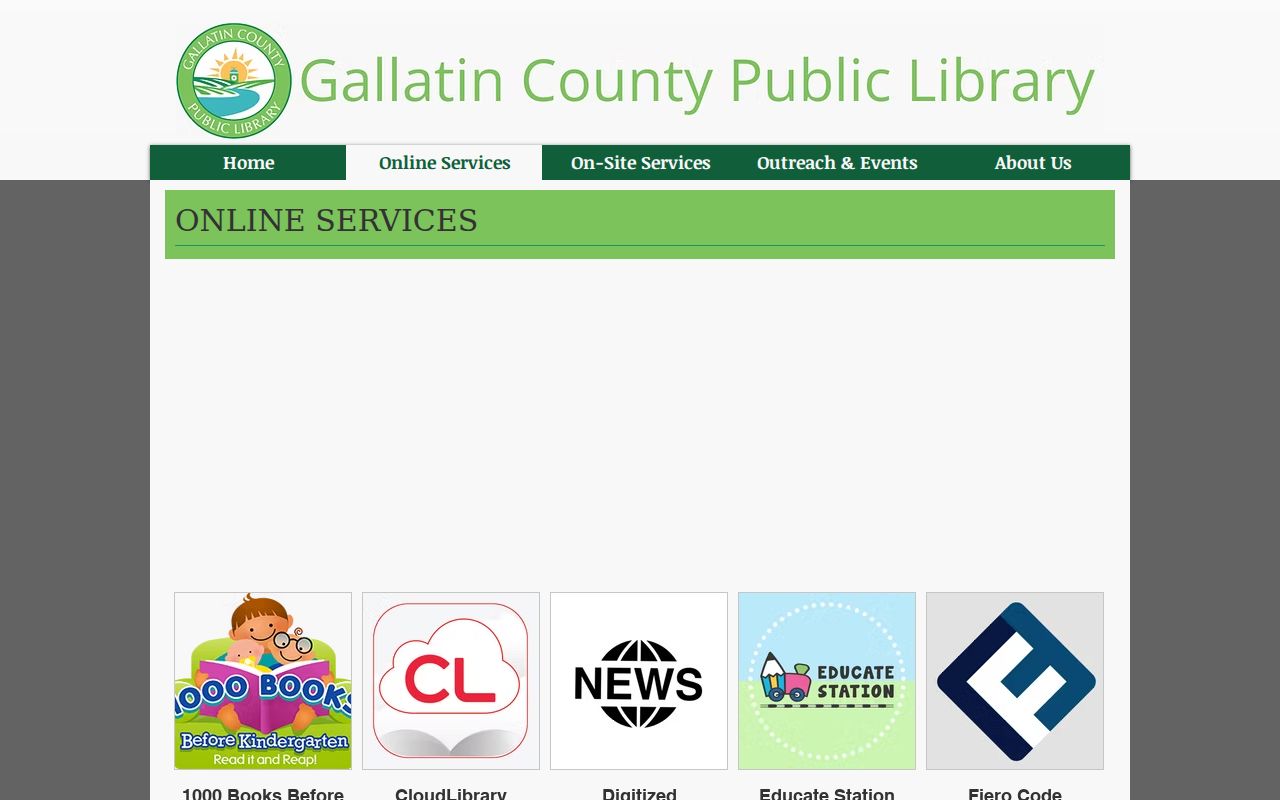
Look past surnames when digging through these sources. A subdivision name, road, commissioner sale, estate notice, or certificate of delinquency often works better. Newspapers can add dates and local color to a recorded event. Yearbooks, cemetery sources, and historical collections may tie families to a place. They stay supporting evidence. The official claim rests on the deed, court order, assessment, or tax record.
Limits of Gallatin County Property Records
Gallatin County property records can answer many questions. They identify an owner of record, a recorded transfer, an assessed value, a bill status, a mapped parcel, a subdivision reference, or a court event. They cannot show who occupies a home. They do not guarantee a complete index, prove that every interest was recorded, settle a boundary line, or establish a likely sale price. A mailing address may belong to an owner living elsewhere. A homestead entry is not proof of everyday occupancy.
| Official source | Use the custodian's record for the date, parties, parcel, value, status, and instrument actually maintained by that office. |
|---|---|
| Compiled search tool | Treat a commercial compilation as a lead only. It may merge names, lag updates, or omit the legal description and source date. |
Buying, settling an estate, or sorting out a lien, easement, or disputed line takes more than one document. Collect copies from each relevant custodian. Then seek the right professional review. The official trail holds up best when every statement keeps its source and effective date.
Use records lawfully. Public access supports due diligence, history, and civic review; it does not permit stalking, harassment, or harm, and an index search is not a title opinion or survey.